About Audiologist
What Is an Audiologist?
Helping People Hear, Communicate and Maintain Their Balance
An Audiologist is a healthcare professional specialising in the prevention, identification, assessment and management of hearing, balance and related disorders.
Audiologists work with individuals of all ages, from newborn babies to older adults. They play an important role in supporting people with hearing and balance difficulties to improve communication, independence, participation and quality of life.
Audiologists work with individuals of all ages, from newborn babies to older adults. They play an important role in supporting people with hearing and balance difficulties to improve communication, independence, participation and quality of life.
What Is an Audiologist?
Helping People Hear, Communicate and Maintain Their Balance
An Audiologist is a healthcare professional specialising in the prevention, identification, assessment and management of hearing, balance and related disorders.
Audiologists work with individuals of all ages, from newborn babies to older adults. They play an important role in supporting people with hearing and balance difficulties to improve communication, independence, participation and quality of life.
Audiologists work with individuals of all ages, from newborn babies to older adults. They play an important role in supporting people with hearing and balance difficulties to improve communication, independence, participation and quality of life.
What Does an Audiologist Do?
Audiologists provide a range of professional services, including:
Audiologists assess hearing sensitivity and identify different types and degrees of hearing loss. Hearing assessments may be performed for individuals across all age groups, from infants and children to adults and older persons.
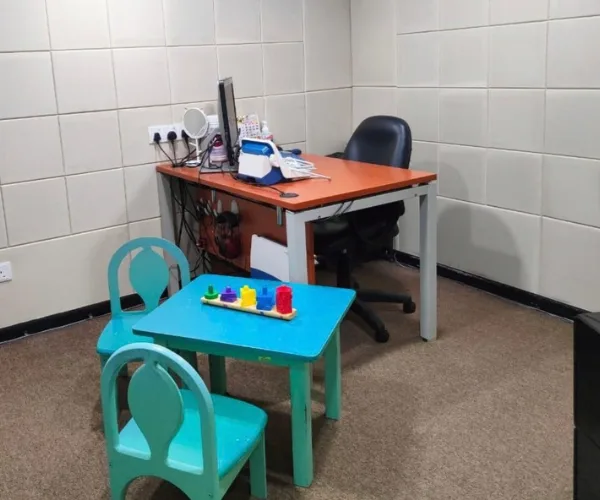
Audiologists are involved in the early identification and assessment of hearing difficulties in newborns, infants and children. Early detection of hearing loss is important to support speech, language and communication development.

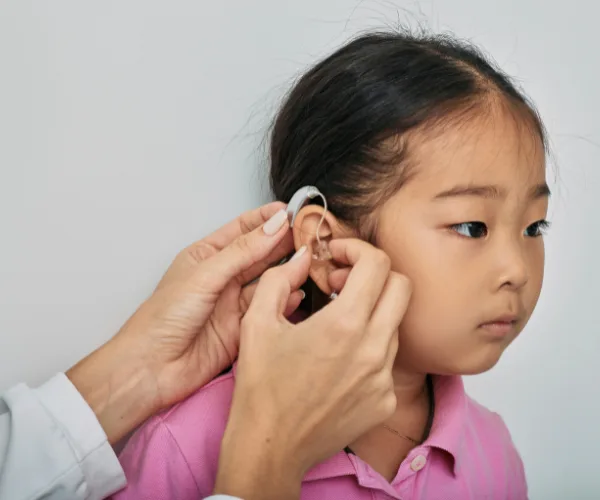
Audiologists provide hearing rehabilitation and may recommend, fit and verify hearing devices and assistive listening technologies based on an individual's hearing and communication needs.
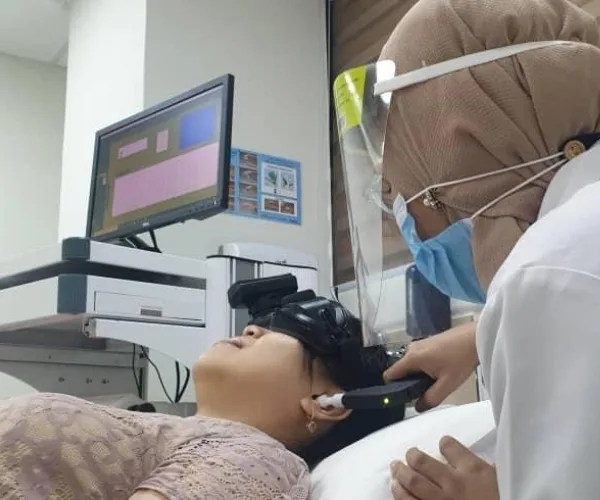
Audiologists play an important role in the assessment of individuals experiencing dizziness, vertigo and balance difficulties.
Vestibular and balance assessments help evaluate the function of the inner ear balance system and its contribution to a person's symptoms. Depending on the individual's condition and clinical needs, specialised tests may include:
Vestibular and balance assessments help evaluate the function of the inner ear balance system and its contribution to a person's symptoms. Depending on the individual's condition and clinical needs, specialised tests may include:
- Video Head Impulse Test (vHIT)
- Vestibular Evoked Myogenic Potentials (VEMP)
- Videonystagmography (VNG)
- Positional and positioning tests
- Caloric testing
The results of these assessments may assist in identifying possible vestibular dysfunction and supporting appropriate referral, diagnosis and management as part of a multidisciplinary healthcare team.
Audiologists perform objective assessments of auditory function using specialised electrophysiological tests, which may include:
- Auditory Brainstem Response (ABR)
- Auditory Steady-State Response (ASSR)
- Otoacoustic Emissions (OAE)
These assessments are particularly useful when behavioural hearing testing is not appropriate or when further information about auditory function is required.
Audiologists may assess and provide management strategies for individuals experiencing tinnitus. Management may include counselling, education, sound-based strategies and appropriate referral when necessary.
Audiologists may be involved in cochlear implant assessment, device programming and ongoing hearing rehabilitation as part of a multidisciplinary healthcare team.
What Does an Audiologist Do?
Audiologists provide a range of professional services, including:

Audiologists assess hearing sensitivity and identify different types and degrees of hearing loss. Hearing assessments may be performed for individuals across all age groups, from infants and children to adults and older persons.
Audiologists are involved in the early identification and assessment of hearing difficulties in newborns, infants and children. Early detection of hearing loss is important to support speech, language and communication development.
Audiologists provide hearing rehabilitation and may recommend, fit and verify hearing devices and assistive listening technologies based on an individual's hearing and communication needs.
Audiologists play an important role in the assessment of individuals experiencing dizziness, vertigo and balance difficulties.
Vestibular and balance assessments help evaluate the function of the inner ear balance system and its contribution to a person's symptoms. Depending on the individual's condition and clinical needs, specialised tests may include:
Vestibular and balance assessments help evaluate the function of the inner ear balance system and its contribution to a person's symptoms. Depending on the individual's condition and clinical needs, specialised tests may include:
- Video Head Impulse Test (vHIT)
- Vestibular Evoked Myogenic Potentials (VEMP)
- Videonystagmography (VNG)
- Positional and positioning tests
- Caloric testing
The results of these assessments may assist in identifying possible vestibular dysfunction and supporting appropriate referral, diagnosis and management as part of a multidisciplinary healthcare team.
Audiologists perform objective assessments of auditory function using specialised electrophysiological tests, which may include:
- Auditory Brainstem Response (ABR)
- Auditory Steady-State Response (ASSR)
- Otoacoustic Emissions (OAE)
These assessments are particularly useful when behavioural hearing testing is not appropriate or when further information about auditory function is required.
Audiologists may assess and provide management strategies for individuals experiencing tinnitus. Management may include counselling, education, sound-based strategies and appropriate referral when necessary.
Audiologists may be involved in cochlear implant assessment, device programming and ongoing hearing rehabilitation as part of a multidisciplinary healthcare team.
Where Do Audiologists Work?
Audiologists may work in a variety of settings, including:

Hospitals

Audiology and hearing clinics

Universities and research institutions

Rehabilitation centres

Community healthcare services

Hearing and balance centres

Private practice

Hearing device and healthcare industries
Where Do Audiologists Work?
Audiologists may work in a variety of settings, including:
Hospitals
Audiology and hearing clinics
Universities and research institutions
Rehabilitation centres
Community healthcare services
Hearing and balance centres
Private practice
Hearing device and healthcare industries

When Should You See an Audiologist?
You may consider seeing an Audiologist if you experience:
Difficulty hearing conversations

Frequently asking others to repeat themselves

Difficulty hearing in noisy environments

Ringing or buzzing in the ears

Concerns about a child's hearing or speech development

Dizziness or vertigo

A sensation of imbalance or unsteadiness

Balance difficulties